Qualitative Fieldwork
Cross-Team Collaboration in Corporate Japan
Japan — Where Nature and Design Speak the Same Language
The Shibuya crossing (渋谷スクランブル交差点) stops most first-time visitors. When the lights change, hundreds of people pour into the intersection from every direction at once and somehow, without instruction or collision, they flow through one another and arrive where they were going.
It is one of the most visited intersections in the world, and one of its most quietly instructive. It works because an entire culture has internalised a shared set of rules so thoroughly that the rules no longer need to be stated. The system is invisible. It just works.
I went to Japan with the intention of studying business culture. I left having understood something I had not anticipated: a culture whose deepest assumptions about work, improvement, and decision-making have direct and lasting implications for how I practice UX research.

Nagoya: Where Kaizen Is Not a Concept
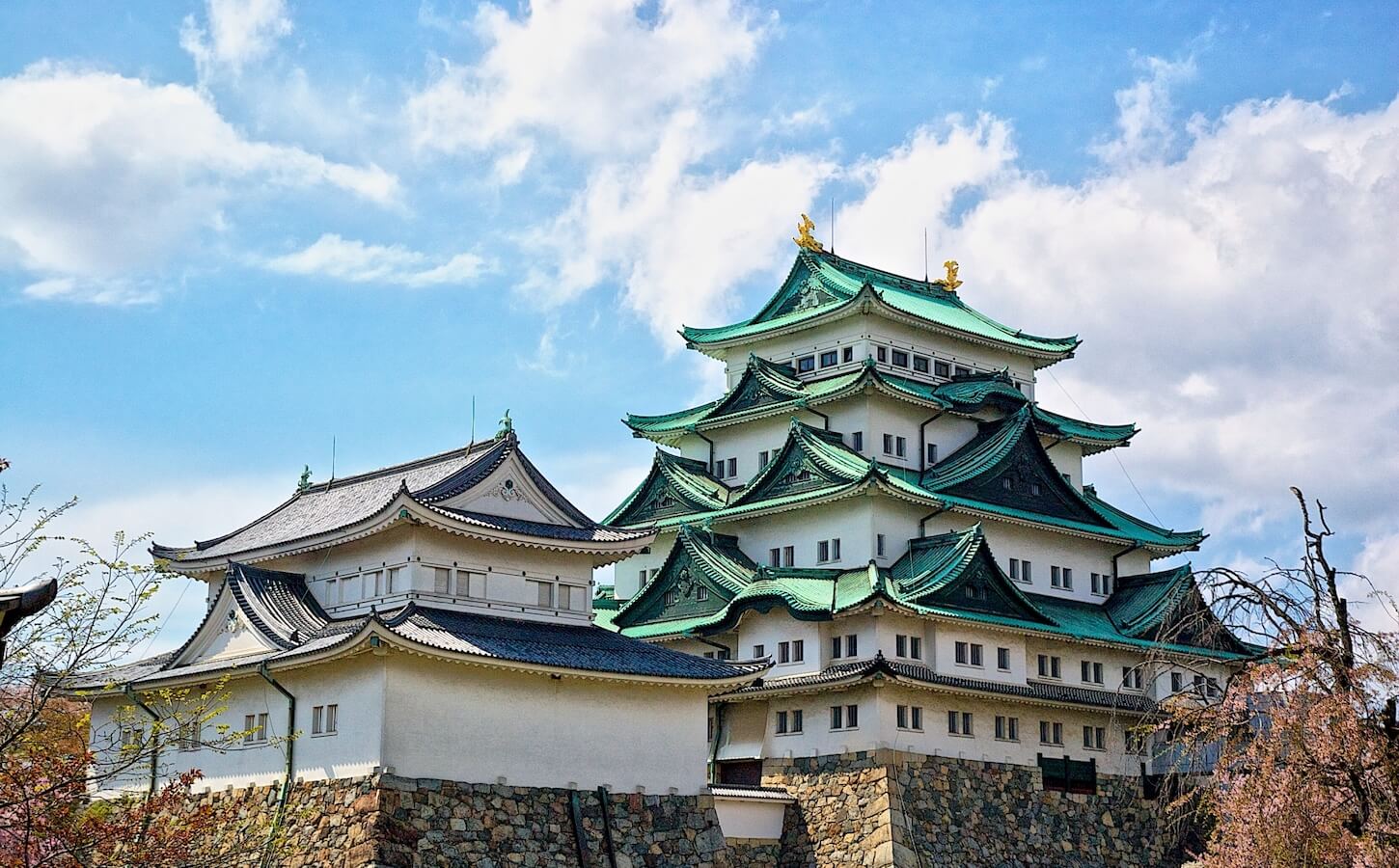
Most visitors to Japan know Tokyo (東京). Few know Nagoya (名古屋). Japan's fourth-largest city and the industrial heart of Aichi Prefecture, Nagoya is home to Toyota, Brother Industries, and a manufacturing culture that has quietly shaped professional life across the country. There is no international gloss here, no performance for a foreign audience. The city goes about its business, and its business is deeply revealing.
The philosophy that animates professional life in Nagoya is kaizen (改善). Not a management theory deployed by consultants or printed on motivational posters, but a reflex. In workshops, offices, and daily professional interactions, the operating assumption is that whatever exists today can be made slightly better tomorrow, and that this responsibility is shared and ongoing.
Watching kaizen work in practice changed how I think about product design. The most durable improvements are rarely the dramatic ones. They are small, consistent, and often invisible to the users who benefit from them. They accumulate. And the culture that produces them does not celebrate them, because celebration would suggest they are finished.
"Nagoya goes about its business without performing for an outside audience. There is no international gloss. For an anthropologist, this was ideal."
What the Boardroom Taught Me About UX
Working with Gaba Corporation, I delivered cross-cultural business communication training to Japanese professionals across industries: engineers, accountants, mid-level managers, and senior executives. The sessions were nominally about English. In practice, they were clinics in how two very different cultures reach decisions, and the gap between them turned out to be one of the most instructive things I have ever observed professionally.

The concept that changed my thinking most was not one I had encountered in any research textbook. It was 根回し (nemawashi) : the Japanese practice of laying groundwork before a formal decision is made. Before any significant proposal reaches a meeting room, the people behind it will have spoken with each key stakeholder individually, surfaced objections in private, adjusted the proposal accordingly, and arrived at a position the room can ratify rather than debate. The meeting is not where consensus is forged. It is where it is announced.
The resonance with UX research was immediate. The presentations that land best are not the ones that surprise the room. They are the ones where key stakeholders have already seen the findings in draft, where concerns have been raised and addressed in conversation before the formal session, and where the team arrives having been brought along on the journey. Nemawashi, by another name, is the foundation of effective research communication.
It also reframes what cross-functional collaboration actually means. Research findings do not change behaviour on their own. They change behaviour when the people who need to act on them feel some ownership of the process that produced them. Building that ownership, quietly, before the formal presentation, is not a soft skill. It is the work.
What the Field Gives Back
There is a quality of attention that sustained fieldwork develops that is difficult to replicate any other way. You learn to observe without assuming. You learn that silence carries as much information as speech, that context shapes meaning in ways no survey can capture, and that the gap between what people say and what they do is not a methodological inconvenience but the most interesting part of the data.
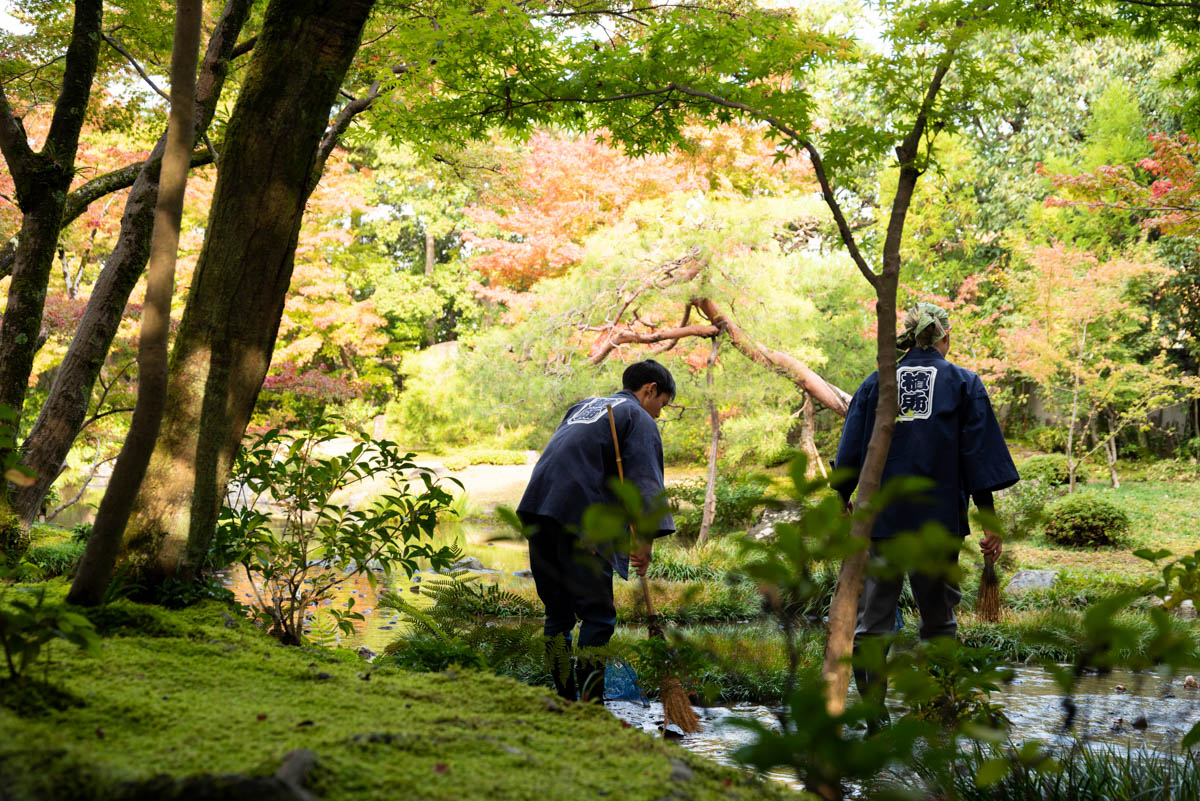
After months spent learning to read social systems I had not grown up inside, I returned to research work with a sharper vocabulary for what I was looking at: whose assumptions were embedded in a design, where friction had been designed away and for whom, and what a system expected of its users without ever saying so.
Every new user encounters a product from the outside. They have not built it, and they do not share the mental models of those who did. The researcher's job is to hold that outside perspective long enough to see the product as the user sees it, to notice what is hard before it becomes obvious, and to carry that clarity back into the room where decisions are made.
Fieldwork in Japan did not give me a checklist of transferable techniques. It trained a way of seeing. A patience with ambiguity, a respect for what is not said, and an instinct for the gap between the system as designed and the experience as lived. That, in the end, is what the most useful research always comes from.
Let's connect
Interested in research like this?
Whether you have a project in mind or just want to talk about research, I'd love to hear from you.